Are You Really Burning Fat or Just Eating Less? Understanding the Science of Weight Loss
For decades, weight loss has been reduced to one simple idea: eat less and move more. While this advice sounds logical, it often fails to explain why so many people struggle to lose weight, or why the weight comes back even after strict dieting. The truth is that weight loss and fat loss are not the same thing. Simply eating less may reduce numbers on the scale, but it does not guarantee that your body is burning fat. Sustainable weight management depends on metabolic health, hormonal balance, muscle preservation, and appetite regulation, not just calorie restriction. This blog explores the science behind fat loss, why traditional dieting often backfires, how GLP-1 therapy is changing obesity care, and how ReverseAll integrates medical treatment, nutrition, and fitness for long-term success.


The Weight Loss Dilemma: Why the Scale Can Be Misleading
Most people judge progress by weight alone. However, the scale does not differentiate between fat mass, muscle mass, and water weight. When you drastically reduce calories, the body may respond by breaking down muscle tissue and glycogen stores instead of stored fat.
This means:
- You may lose weight without improving metabolism
- Muscle loss slows down your calorie burn
- Fat percentage may remain high despite weight reduction
True fat loss improves insulin sensitivity, metabolic rate, and long-term weight maintenance, whereas rapid weight loss from extreme dieting often leads to fatigue, weakness, and rebound weight gain.
Why Eating Less Alone Does Not Work Long Term
The Calorie Deficit Myth
A calorie deficit is necessary for weight loss, but how the deficit is created matters. Severe calorie restriction signals the body that food is scarce, triggering survival mechanisms.
The body responds by:
- Slowing metabolism
- Increasing hunger hormones like ghrelin
- Reducing satiety hormones like leptin
- Conserving fat stores
This biological response explains why many people experience intense cravings, low energy, and eventual weight regain after dieting.
Metabolism: The Hidden Driver of Fat Loss
Metabolism is not fixed—it adapts. When calorie intake drops for prolonged periods, the body enters adaptive thermogenesis, meaning it burns fewer calories at rest.
Key effects include:
- Lower basal metabolic rate
- Reduced fat oxidation
- Increased efficiency in storing calories as fat
This is why two people eating the same calories may experience very different weight loss outcomes. Metabolic health, not willpower, determines success.
Muscle Loss: The Silent Weight Loss Mistake
One of the biggest risks of dieting without proper guidance is loss of lean muscle mass. Muscle tissue plays a crucial role in burning calories and maintaining insulin sensitivity.
When muscle is lost:
- Metabolism slows further
- Fat loss becomes harder
- Physical strength and energy decline
- Long-term weight regain becomes more likely
Preserving muscle through adequate protein intake and resistance training is essential for sustainable fat loss.
Weight Loss Plateaus: Why Progress Stalls
Many people experience initial success, followed by weeks or months where weight loss stops. These plateaus are not failures—they are physiological adaptations.
Common causes include:
- Reduced energy expenditure
- Hormonal shifts increasing hunger
- Loss of muscle mass
- Stress and poor sleep affecting cortisol levels
Breaking through plateaus requires medical insight, nutritional adjustments, and structured physical activity, not further calorie cuts.
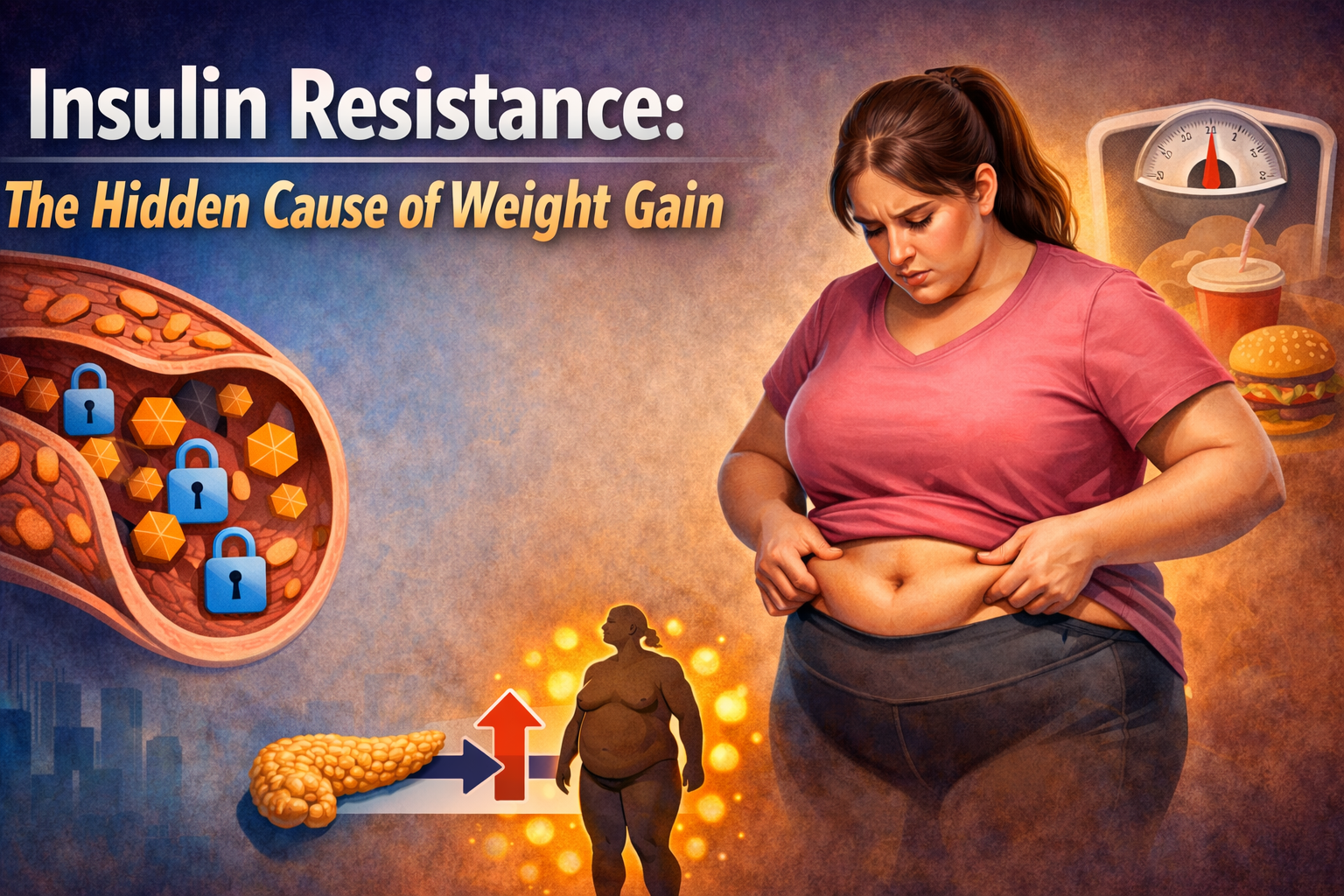
Obesity Is a Hormonal and Metabolic Condition
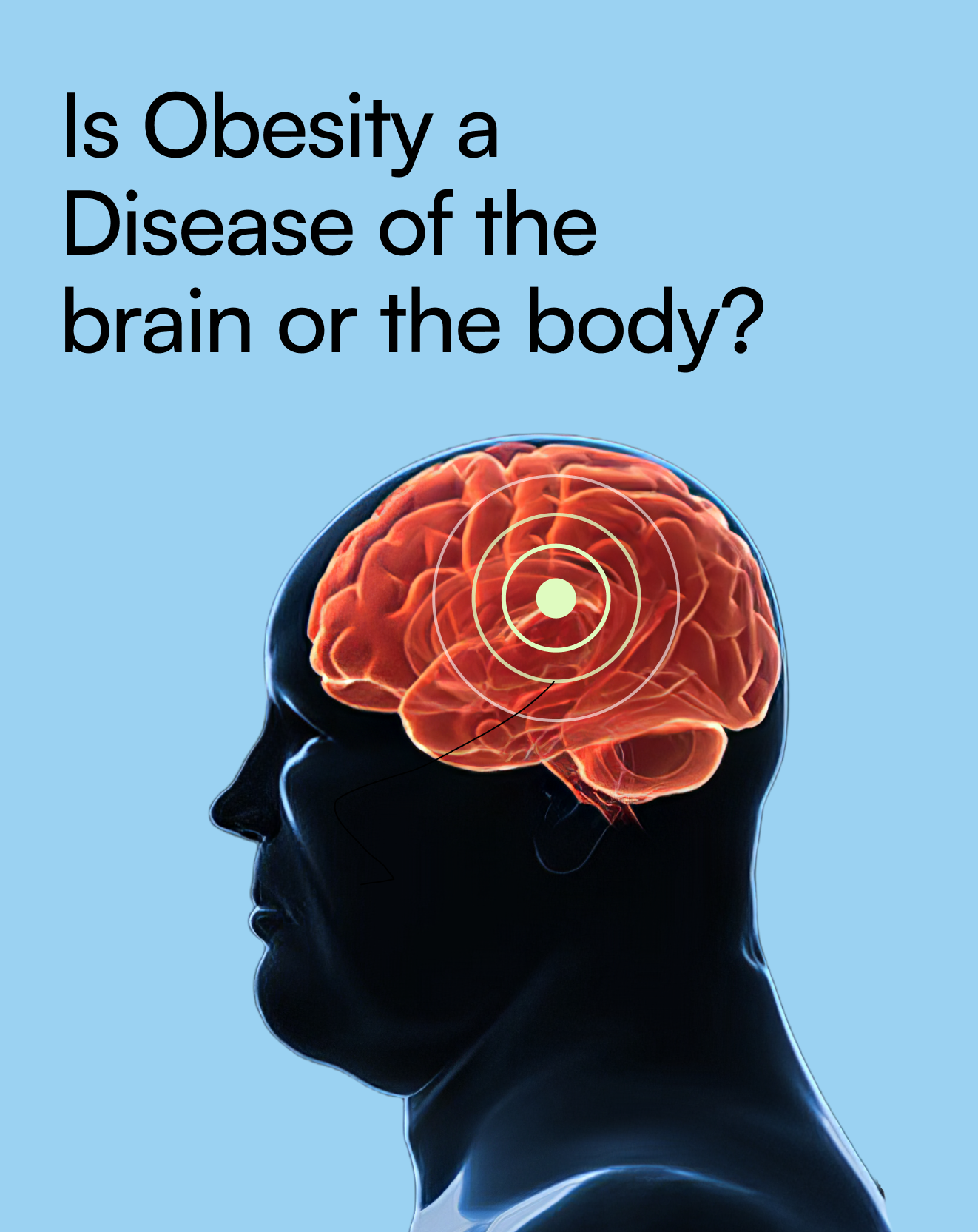
Modern science recognises obesity as a chronic, relapsing medical condition, influenced by genetics, hormones, environment, and metabolism. It is not simply a result of overeating or lack of discipline.
Hormones involved in obesity include:
- Insulin (fat storage and blood sugar control)
- GLP-1 (satiety and appetite regulation)
- Leptin (energy balance)
- Cortisol (stress-related fat storage)
Addressing obesity requires medical weight management, not just lifestyle advice.
GLP-1 Therapy: Reprogramming Appetite and Metabolism
GLP-1 receptor agonists (GLP-1 RAs) represent a major breakthrough in obesity treatment. These medications mimic the natural GLP-1 hormone released in the gut after meals.
GLP-1 therapy works by:
- Reducing appetite and emotional eating
- Increasing feelings of fullness
- Slowing digestion and gastric emptying
- Improving insulin resistance and blood sugar control
Unlike crash dieting, GLP-1 therapy supports controlled calorie reduction without constant hunger, making fat loss more sustainable.
Why GLP-1 Therapy Leads to Better Fat Loss
Clinical studies show that GLP-1 medications result in:
- Greater fat mass reduction
- Better muscle preservation when paired with nutrition and exercise
- Improvements in BMI and waist circumference
- Lower risk of type 2 diabetes and cardiovascular disease
Importantly, GLP-1 therapy helps patients adhere to lifestyle changes, which is often the biggest challenge in weight loss.
The Role of Nutrition in Medical Weight Loss
Medication alone is not enough. Nutrition plays a critical role in determining whether weight loss comes from fat or muscle.
At ReverseAll, nutrition plans focus on:
- Adequate protein to preserve lean muscle
- Balanced carbohydrates to support energy and insulin control
- Healthy fats for hormonal balance
- Micronutrient adequacy for metabolic health
This approach supports fat loss while preventing metabolic slowdown.
Fitness Beyond Cardio: Building a Fat-Burning Body
Exercise is often misunderstood as a calorie-burning tool alone. In reality, strength training and structured movement are essential for improving body composition.
Benefits include:
- Increased resting metabolic rate
- Better insulin sensitivity
- Reduced visceral fat
- Improved strength, mobility, and energy
Fitness at ReverseAll is designed to complement GLP-1 therapy, not exhaust the body.
ReverseAll: Integrated, Doctor-Led Weight Management
ReverseAll takes a holistic, evidence-based approach to weight loss. Our programs combine:
- GLP-1 therapy under medical supervision
- Personalised nutrition planning
- Structured fitness coaching
- Ongoing monitoring and support
This ensures that weight loss is safe, sustainable, and metabolically healthy.
Evidence That Goes Beyond the Scale
Clinical evidence shows that patients on GLP-1 therapy experience:
- Average weight reductions of 4–5 kg or more
- Significant BMI improvement
- Better glycaemic control
- Reduced cardiovascular risk markers
More importantly, patients report improved appetite control, fewer cravings, and better quality of life.
The Future of Weight Management: Fat Loss, Not Starvation
The future of obesity care is not about eating less—it is about eating smarter, preserving muscle, and correcting hormonal imbalances. Sustainable fat loss happens when medical science, nutrition, and movement work together.
Weight loss should improve health, not compromise it.
Closing Nudge: Start Your Fat Loss Journey with ReverseAll
If you are stuck in cycles of dieting, plateaus, and weight regain, it may be time to try a science-backed approach. ReverseAll helps you move beyond calorie counting to achieve real fat loss and long-term metabolic health.
Take the first step today—your body deserves better than another crash diet.
Medical Disclaimer: This content is for educational purposes only and does not replace professional medical advice. Always consult a qualified healthcare provider before starting or modifying any medication, diet, or exercise program.
Frequently Asked Questions (FAQs)
1. What is the difference between weight loss and fat loss?
Weight loss includes loss of fat, muscle, and water. Fat loss specifically means reducing body fat while preserving muscle, which is essential for long-term metabolic health and sustainable weight management.
2. Why does eating less not always lead to fat loss?
Severe calorie restriction slows metabolism, increases hunger hormones, and can cause muscle loss. This makes fat loss harder and increases the risk of weight regain.
3. What is metabolic adaptation in weight loss?
Metabolic adaptation occurs when the body reduces calorie burn in response to prolonged dieting. This survival mechanism often leads to plateaus and stalled fat loss.
4. Why do weight loss plateaus happen?
Plateaus occur due to reduced metabolic rate, hormonal changes, muscle loss, stress, or poor sleep. They are a biological response, not a lack of effort.
5. How does GLP-1 therapy help with weight loss?
GLP-1 therapy reduces appetite, increases fullness, slows digestion, and improves insulin sensitivity, making fat loss easier to sustain without extreme dieting.
6. Is GLP-1 therapy safe for long-term use?
When prescribed and monitored by a doctor, GLP-1 therapy is considered safe and effective for long-term weight management.
7. Can dieting cause muscle loss?
Yes. Inadequate protein and lack of strength training can lead to muscle loss, slowing metabolism and reducing fat-burning capacity.
8. Is exercise alone enough for fat loss?
Exercise helps, but without proper nutrition and metabolic support, it may not lead to significant fat loss. A combined approach works best.
9. Is obesity a medical condition?
Yes. Obesity is a chronic medical condition influenced by hormones, genetics, and metabolism, not just lifestyle choices.
10. How does ReverseAll support sustainable fat loss?
ReverseAll combines GLP-1 therapy, personalised nutrition, fitness guidance, and medical supervision to support long-term fat loss and metabolic health.