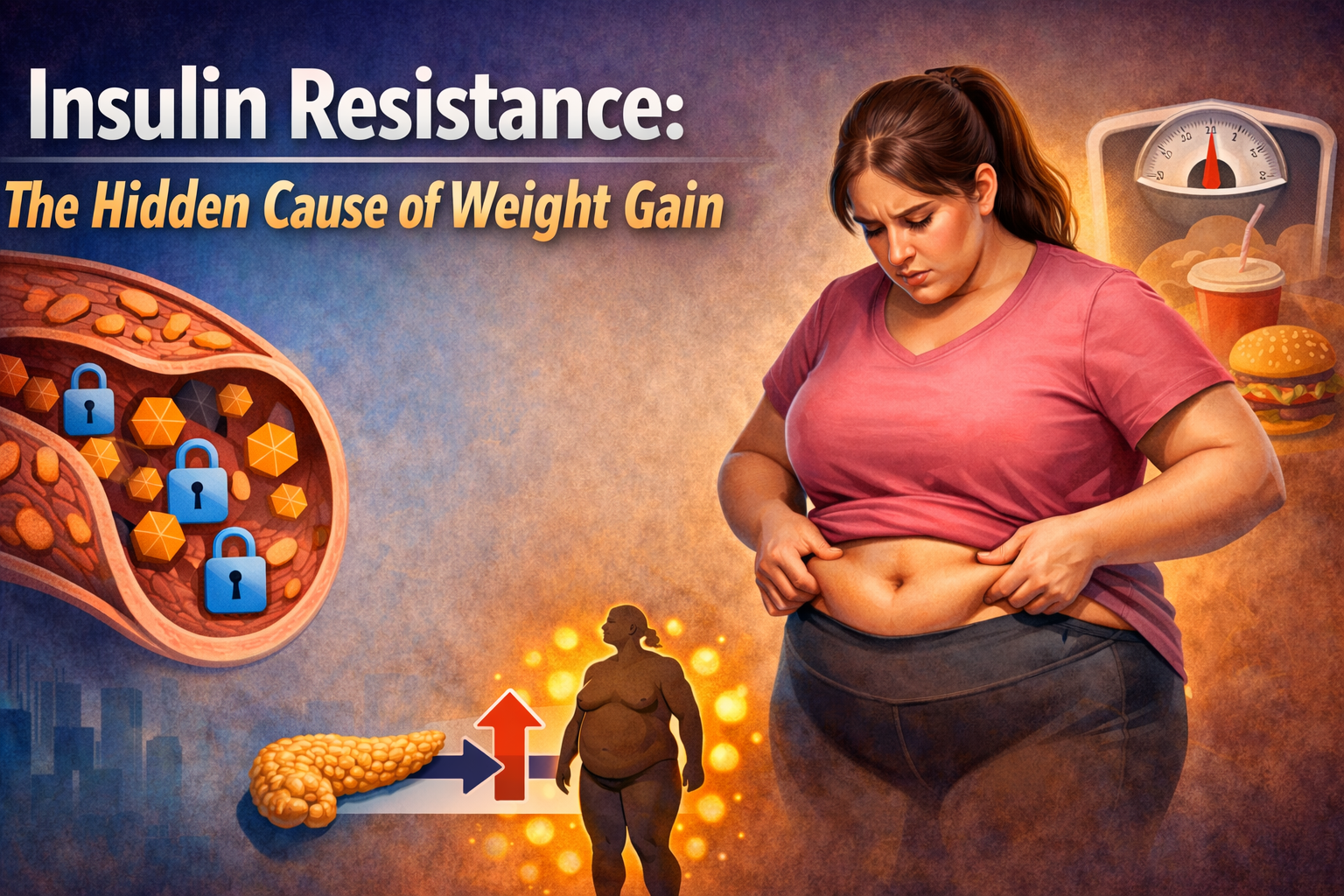
How GLP‑1 Works: Understanding the Science Behind Weight Loss and Blood Sugar Control
GLP‑1 medications help control appetite, blood sugar, and weight. Learn from a physician how they work, why they are different from diets, and how they help patients achieve lasting results.
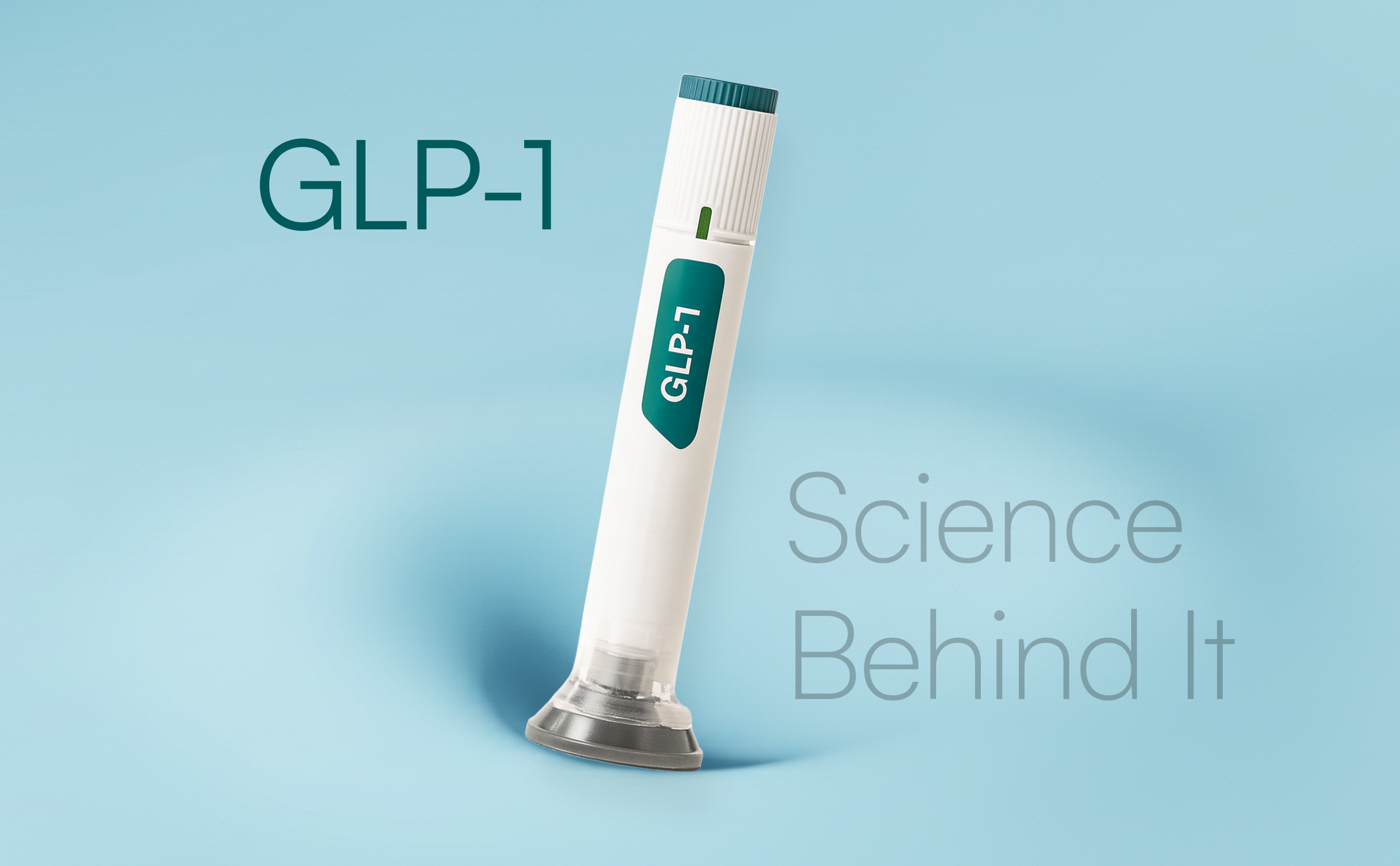

GLP-1 medications are revolutionising the approach to weight loss, blood sugar control, and obesity treatment. By working with your body’s natural hormones, GLP-1 therapy helps regulate appetite, improve insulin response, and support long-term metabolic health.
Unlike crash diets or extreme exercise plans, GLP-1 medications for weight loss address the biological drivers of hunger and weight gain. Understanding the science behind how GLP-1 works can help patients make informed decisions and achieve sustainable results in medical weight loss and diabetes management.
Why Understanding GLP-1 Matters
When treating patients with diabetes, obesity, and lifestyle-related health conditions, one pattern repeats itself. Patients follow strict diets, cut calories, exercise consistently, and still struggle with weight loss resistance or unstable blood sugar levels.
This is not a failure of effort. It is biology.
GLP-1 therapy works because it supports the body’s hormonal systems rather than fighting against them. When appetite hormones, insulin signalling, and digestion are properly regulated, weight loss and blood sugar control become achievable and sustainable.
Understanding how GLP-1 medications work in the body also helps set realistic expectations. These treatments are not shortcuts, but they remove the constant physiological barriers that make long-term change feel impossible.
Why It Matters
Obesity is a chronic metabolic disease, not simply a lifestyle choice. It involves complex interactions between hormones, insulin resistance, inflammation, sleep disruption, chronic stress, gut health, and genetics.
When these systems are dysregulated, the body defends against excess weight and resists fat loss. This is why traditional dieting often fails, and weight regain is common.
GLP-1 medications address the root causes of obesity by restoring hormonal balance and improving metabolic efficiency. This makes them a powerful option in modern obesity treatment and type 2 diabetes care.
Common Struggles Seen in Patients
Patients seeking GLP-1 weight loss treatment frequently report:
• Feeling hungry shortly after eating balanced meals
• Strong cravings for sweets or refined carbohydrates
• Blood sugar spikes despite dietary discipline
• Repeated cycles of weight loss and regain
• Mental fatigue from constant food control
These signs point to disrupted hunger signalling and impaired insulin response. GLP-1 therapy directly targets these imbalances, helping the body respond normally to food again.
How GLP-1 Works: Simplified
GLP-1 (Glucagon-Like Peptide-1) is a hormone released by the gut after meals. It plays a central role in appetite regulation, insulin secretion, digestion, and metabolism. GLP-1 medications mimic and amplify this natural hormone to produce therapeutic benefits.
1. Improves Insulin Release and Blood Sugar Control
GLP-1 therapy for diabetes stimulates insulin release only when blood sugar rises after eating. This glucose-dependent action improves blood sugar control while lowering the risk of hypoglycemia, making it safe and effective for long-term use.
2. Slows Digestion and Improves Satiety
By slowing gastric emptying, GLP-1 medications help food stay in the stomach longer. This leads to prolonged fullness, smaller portion sizes, and fewer post-meal glucose spikes, key mechanisms for weight loss and diabetes management.
3. Reduces Hunger and Food Cravings
GLP-1 acts on the brain’s appetite centres, reducing hunger signals and cravings, especially for calorie-dense foods. Patients often describe feeling satisfied sooner and thinking less about food, which supports sustainable weight loss.
4. Supports Fat Loss and Metabolic Health
GLP-1 therapy improves insulin sensitivity, promotes fat utilisation, and may improve cholesterol levels and fatty liver disease. These benefits extend beyond the scale, improving overall metabolic health.
5. Newer Combination Therapies
Advanced treatments combine GLP-1 with GIP and other incretin hormones, delivering enhanced effects on appetite suppression, fat loss, and blood sugar regulation. These innovations represent the future of medical weight loss.
Why GLP-1 Alone Is Not Enough
Although GLP-1 medications are highly effective, optimal results require a comprehensive approach:
• Balanced, protein-rich nutrition
• Regular strength training and movement
• Quality sleep and stress management
• Ongoing medical monitoring
GLP-1 therapy is a facilitator, not a replacement, for healthy habits. It makes lifestyle changes more effective by removing biological resistance.
How ReverseAll Uses GLP-1 Safely
At ReverseAll, GLP-1 weight loss programs are delivered under physician supervision with a focus on long-term health.
Our approach includes:
• Comprehensive evaluation of metabolism, hormones, sleep, and stress
• Education on how GLP-1 works and expected outcomes
• Personalised medication selection and dosing
• Integration of nutrition, exercise, and behaviour change
• Continuous follow-up to ensure safety and effectiveness
This structured approach ensures sustained weight loss and metabolic improvement, not short-term results.
Evidence and Results
The benefits of GLP-1 medications for weight loss and blood sugar control are supported by large clinical trials and long-term outcome studies.
• Weight loss:
Clinical trials show a 10–15% average body-weight reduction with GLP-1 medications over 1 year. Newer dual-hormone therapies demonstrate up to 20–22% weight loss over 68–72 weeks.
• Clinically meaningful weight loss:
Around 70% of patients achieve at least 5% weight loss, a level associated with improved metabolic health.
• Blood sugar control:
In type 2 diabetes, GLP-1 therapy lowers HbA1c by ~1.0–1.5%, helping many patients reach target glucose levels with low hypoglycemia risk.
• Reduced calorie intake:
Studies show a 20–30% reduction in daily calorie intake, driven by lower hunger and fewer cravings rather than increased willpower.
• Heart health benefits:
Large cardiovascular outcome trials show a 12–26% reduction in major cardiovascular events (heart attack, stroke, cardiovascular death) in patients using GLP-1 receptor agonists.
• Long-term weight maintenance:
Patients who continue GLP-1 medications are significantly more likely to maintain weight loss beyond one year compared to lifestyle intervention alone.
A Smarter Way to Treat Obesity and Diabetes
GLP-1 medications are reshaping medical weight loss by addressing the biological drivers of hunger and insulin resistance.
At ReverseAll, we combine science-backed GLP-1 therapy, personalised care, and continuous support to help patients achieve lasting health and confidence.
If you have struggled with weight, cravings, or blood sugar control despite sincere efforts, GLP-1 therapy for weight loss may be the breakthrough you need. ReverseAll guides you safely and effectively, every step of the way.
FAQs
1. What are GLP-1 medications used for?
GLP-1 medications are used for weight loss, type 2 diabetes management, and improving blood sugar control by regulating appetite, insulin secretion, and digestion.
2. How long does it take to see results with GLP-1 therapy?
Most patients notice reduced appetite within weeks. Weight loss and blood sugar improvements typically become visible within 8 to 12 weeks of consistent GLP-1 therapy.
3. Is GLP-1 therapy safe for long-term use?
Yes, when prescribed and monitored by a physician. GLP-1 medications have strong safety data and are widely used in long-term obesity and diabetes treatment.
4. Can GLP-1 therapy work without dieting?
While GLP-1 therapy naturally reduces hunger, combining it with balanced nutrition and regular movement yields the best and most sustainable results.
5. Who is an ideal candidate for GLP-1 weight loss treatment?
Adults with obesity, overweight with metabolic conditions, insulin resistance, or difficulty losing weight despite lifestyle changes may benefit from GLP-1 therapy after medical evaluation.