Indian Foods to Support Your GLP-1 Therapy: A Smarter, Science-Backed Nutrition Guide
GLP-1–based therapies are transforming the way obesity, diabetes, and metabolic disorders are treated. But medication alone is not the full solution. What you eat every day can either support or blunt the effects of GLP-1. This guide explores Indian foods that naturally increase GLP-1, explains the science behind them, and demonstrates how culturally familiar meals can complement your therapy for better, longer-lasting results.


Why GLP-1 Plays a Central Role in Metabolic Health
GLP-1 (glucagon-like peptide-1) is a gut-derived hormone that influences appetite control, insulin secretion, blood-sugar regulation, and satiety. It signals the brain that you are full, slows gastric emptying, and helps regulate post-meal glucose levels.
While GLP-1 medications enhance this pathway pharmacologically, your body also produces GLP-1 naturally in response to food. Choosing GLP-1 friendly foods helps strengthen this hormonal response, improving fullness, reducing cravings, and supporting metabolic balance.
Instead of focusing only on food restriction, a smarter approach asks: what to eat to increase GLP-1 and support your body’s biology.
India’s Growing Metabolic Health Challenge
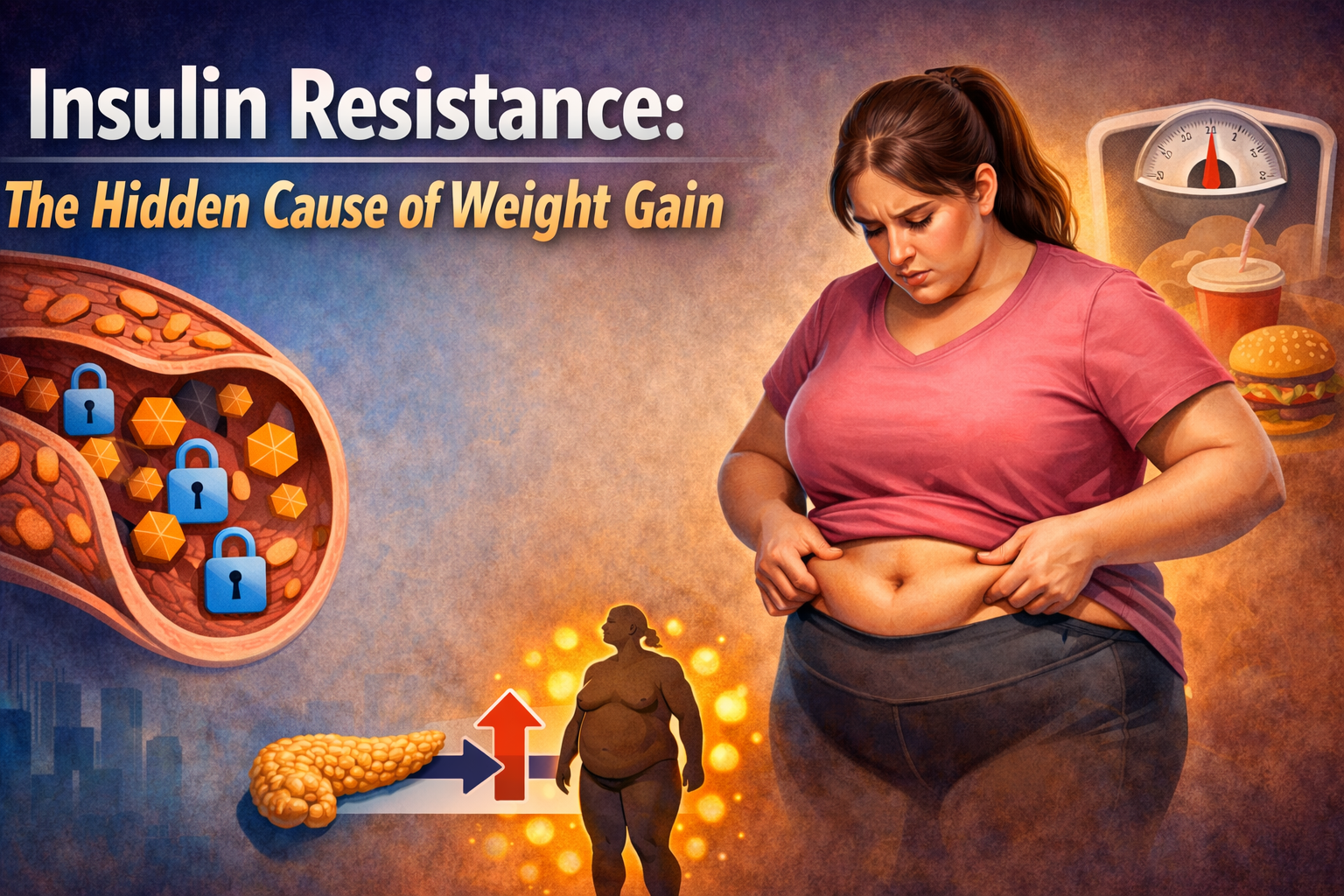
India faces rising rates of obesity, type 2 diabetes, fatty liver disease, and insulin resistance. Modern eating patterns often involve refined carbohydrates, low protein intake, minimal fibre, and irregular meal timing. These patterns weaken natural GLP-1 secretion and lead to rapid hunger after meals.
Research indicates that meal composition, fibre intake, protein balance, and gut microbiome health have a significant impact on GLP-1 release. This means that everyday Indian foods, when chosen and prepared correctly, can become powerful tools in therapy.
Common Dietary Challenges People Face on GLP-1 Therapy
Many individuals on GLP-1 therapy struggle because of:
- Large, carbohydrate-heavy meals such as white rice or refined flour rotis that cause blood-sugar spikes
- Feeling hungry soon after eating despite “healthy” choices
- Not knowing which foods that increase GLP-1 naturally work best with medication
- Generic nutrition advice that ignores Indian staples, cooking methods, and cultural habits
- Inconsistent satiety leading to overeating later in the day
These challenges are not due to a lack of willpower. They reflect mismatches between food choices and hormonal responses.
How Food Choices Can Amplify GLP-1 Therapy
Science now confirms that natural ways to boost GLP-1 with food can significantly enhance treatment outcomes. The most effective dietary strategies include:
- Fermentable fibre that feeds gut bacteria
- Resistant starch that slows digestion and improves satiety
- Protein foods that increase GLP-1 when paired with healthy fats
- Reduced refined sugars that otherwise blunt GLP-1 signalling
Together, these elements stabilise blood sugar, prolong fullness, and reduce post-meal hunger.
Indian Foods That Increase GLP-1 Naturally
Below is a practical, culturally relevant GLP-1 boosting foods list that fits seamlessly into Indian meals.
1. Legumes and Pulses
Dal, chickpeas, rajma, black chana, and whole moong are excellent fiber foods that boost GLP-1. Their combination of soluble fibre and plant protein slows digestion and promotes satiety.
2. Whole Grains and Resistant Starch
Brown rice, millets, barley, and oats become even more effective when cooked, cooled, and reheated safely. This process increases resistant starch, supporting GLP-1 and PYY hormone release. These are among the best foods to stimulate GLP-1 when eaten in controlled portions.
3. Protein With Healthy Fats
Paneer, tofu, lentils, eggs, fish, and curd paired with olive oil, nuts, seeds, or avocado significantly improve fullness. These combinations represent some of the most effective protein foods that increase GLP-1.
4. High-Fibre Vegetables
Vegetables such as gourds, leafy greens, carrots, beans, and cauliflower feed gut bacteria, leading to short-chain fatty acid production that stimulates GLP-1. These are essential GLP-1 friendly foods for daily meals.
5. Fermented Foods
Curd, buttermilk, dosa batter, idli batter, and fermented vegetables support gut health and improve hormonal signalling. Fermentation enhances the effect of foods that increase GLP-1 naturally.
6. Meal Order and Eating Pace
Starting meals with vegetables or protein, eating slowly, and controlling portions significantly improve GLP-1 response. How you eat matters as much as what you eat.
Therapy Alone Is Not Enough: The Integrated Approach
For meaningful and sustainable outcomes, GLP-1 therapy works best when combined with:
Nutrition
Indian-appropriate meal plans focused on what to eat to increase GLP-1, portion control, and cooking methods.
Physical Activity
Strength training and regular movement improve insulin sensitivity and enhance GLP-1 action.
Lifestyle Factors
Sleep quality, stress management, and gut health strongly influence hunger hormones and metabolic outcomes.
Therapy Alignment
Proper meal timing and food composition reduce side effects and improve medication tolerance.
Therapy + food + fitness = stronger, more sustainable results.
How ReverseAll Supports Your GLP-1 Journey
At ReverseAll, GLP-1 therapy is never treated in isolation. We create a fully integrated care model that aligns medication with lifestyle.
- Personalised Indian meal plans featuring best foods to stimulate GLP-1
- Practical cooking and storage guidance tailored to Indian households
- Exercise programs designed to enhance metabolic health
- Continuous physician-led monitoring and coaching
Your meals, movement, and medication work together, not separately.
Evidence-Based Benefits of GLP-1 Supportive Nutrition
Scientific studies show that:
- High-fibre grains, legumes, nuts, eggs, and healthy fats influence GLP-1 secretion
- Gut-microbiome modulation plays a major role in GLP-1 response
- Meal composition directly impacts satiety hormones and glucose control
- These findings apply strongly to Indian diets when adapted thoughtfully
Even without India-specific randomised trials, the principles remain biologically consistent and clinically relevant.
What Becomes Possible With the Right GLP-1 Strategy
Imagine:
- Eating an Indian thali and staying full for hours
- Stable blood sugar and consistent daily energy
- Enjoying cultural staples without guilt
- Long-term metabolic improvement and, in some cases, reduced medication dependency under medical supervision
This is the power of combining natural ways to boost GLP-1 with food alongside medical therapy.
Take the Next Step: Align Therapy, Nutrition, and Fitness
If you are on GLP-1 therapy or considering it, lasting results come when science-backed nutrition and movement support your treatment.
At ReverseAll, we combine clinically guided GLP-1 therapy, personalised Indian nutrition, and structured fitness programs to help you achieve sustainable metabolic health.
Because real, lasting results happen when all three pillars align.
Medical Disclaimer:
This article is for general educational purposes only and does not replace medical advice. Always consult a healthcare provider before making changes to medication, diet, or exercise routines.