Why People Think GLP‑1s Cause Hair Loss — What You Need to Know
Reports of hair shedding during GLP‑1 therapy have raised concerns. This blog explores whether hair loss is directly caused by the medication, indirect factors like rapid weight loss, nutrient deficiencies, and how to protect your hair while on GLP‑1 therapy.
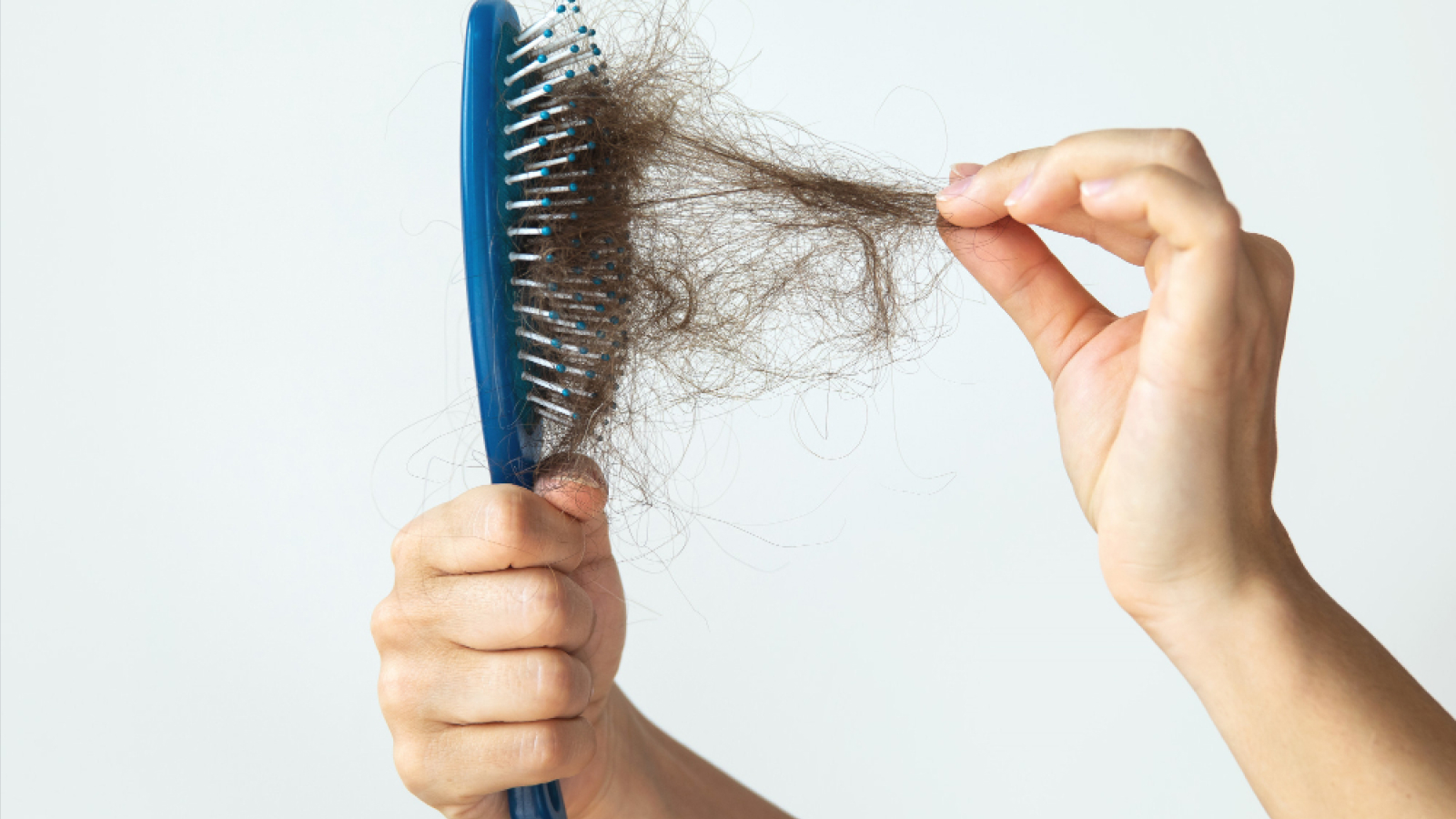

Is the GLP‑1 drug itself causing hair loss, or is something else contributing?
If you’re using a GLP‑1 receptor agonist—such as Semaglutide or Liraglutide—and you’ve noticed more hair shedding than usual, it can be worrying. Hair loss may affect confidence and self-image, but it’s important to ask:
Why It Matters:
GLP‑1 therapies are increasingly used for weight loss, obesity, and type 2 diabetes management. Meanwhile, hair health is a significant aspect of overall wellbeing. Emerging reports suggest some patients on GLP‑1 therapy notice hair shedding. Understanding the cause is critical: misattributing hair loss could mean overlooking other factors like nutrient deficiency, rapid weight loss, or stress.
Daily Struggles:
- Hair shedding in the shower, on brushes, or pillows.
- Concern over thinning scalp or visible bald spots.
- Anxiety about whether the medication is harming hair.
- Feeling frustrated during a weight loss journey, when health improvements are expected.
What’s Going On? — Possible Causes
Direct medication effects:
- Some pharmacovigilance data show hair loss reports in GLP‑1 users but clinical evidence is sparse and causality is unconfirmed.
Indirect factors:
- Rapid weight loss can trigger telogen effluvium, a temporary shedding condition.
- Nutrient deficiencies (protein, iron, zinc, biotin, vitamin D) due to reduced appetite.
- Hormonal or metabolic shifts related to weight loss.
- Stress, sleep disturbances, and lifestyle changes.
How to Tell If It’s the Drug or Something Else —
- Timing: Did hair shedding begin shortly after starting or increasing the dose?
- Diet changes: Has caloric intake or protein consumption decreased significantly?
- Weight loss rate: Rapid weight loss (>1 kg/week) may trigger hair shedding.
- Nutrient labs: Are iron, ferritin, vitamin D, zinc, or other relevant labs low?
- Other symptoms: Presence of nausea, low energy, or digestive changes.
What You Can Do to Protect Your Hair —
- Nutrition: Ensure adequate protein, iron, zinc, biotin, and vitamin D.
- Slow weight loss: Aim for 0.5–1 kg per week to reduce stress on hair follicles.
- Supplements: Consider a multivitamin or specific nutrient supplementation if deficient (under medical guidance).
- Gentle hair care: Avoid harsh treatments, heat styling, or tight hairstyles.
- Dermatologist consultation: Seek expert advice if shedding persists or worsens.
When to Talk to Your Doctor —
- Patchy or sudden hair loss that is localized (may indicate alopecia areata).
- Persistent shedding beyond 6 months.
- Lab abnormalities suggesting nutrient deficiency or thyroid dysfunction.
- Any other unusual symptoms (fatigue, dizziness, unexplained weight changes).
Living with Confidence While You Heal
- Hair shedding from telogen effluvium is usually temporary, and growth often resumes after a few months.
- Focus on holistic health: nutrition, exercise, sleep, and stress management.
- Maintain self-care routines that enhance confidence and wellbeing.
- Track progress and celebrate improvements in metabolic health, not just hair.
Holistic Care & Balance
GLP‑1 therapy is most effective when paired with lifestyle support:
- Nutrition tailored to appetite and weight changes.
- Moderate exercise preserving lean mass.
- Adequate hydration and sleep.
- Continuous monitoring of labs and symptoms.
ReverseAll’s Role: Supportive Framework
At ReverseAll, we work alongside your doctor to combine GLP‑1 therapy with:
- Personalised nutrition plans to maintain hair and metabolic health.
- Exercise routines that support energy and lean muscle.
- Symptom monitoring and lab reviews.
- Guidance to mitigate side effects and optimize overall wellbeing.
Proof / Evidence
- Retrospective cohort studies report hair loss in GLP‑1 users, but causality is not confirmed.
- FDA/FAERS database shows elevated hair loss reports, but no formal signal established.
- Rapid weight loss and nutrient deficiencies are widely accepted causes of telogen effluvium.
Future Vision / Hope
- Hair shedding is often temporary and reversible with holistic care.
- With nutrition, slow weight loss, and proper monitoring, you can continue GLP‑1 therapy while preserving hair.
- Focus on long-term health, metabolic improvements, and self-confidence.
If you notice hair loss while on GLP‑1 therapy, don’t panic. Evaluate diet, weight loss pace, and lab values, and discuss concerns with your healthcare provider. ReverseAll supports your journey by combining GLP‑1 therapy with nutrition, exercise, and lifestyle guidance — helping you maintain hair, health, and confidence throughout your transformation.
Medical Disclaimer: This article is for educational purposes and is not medical advice. Always consult your healthcare provider before making changes to medication, alcohol intake, diet, or fitness.